Minimum Viable Habits for Low-Dopamine ADHD Days
Small actions preserve the habit loop when executive function falters on difficult days.
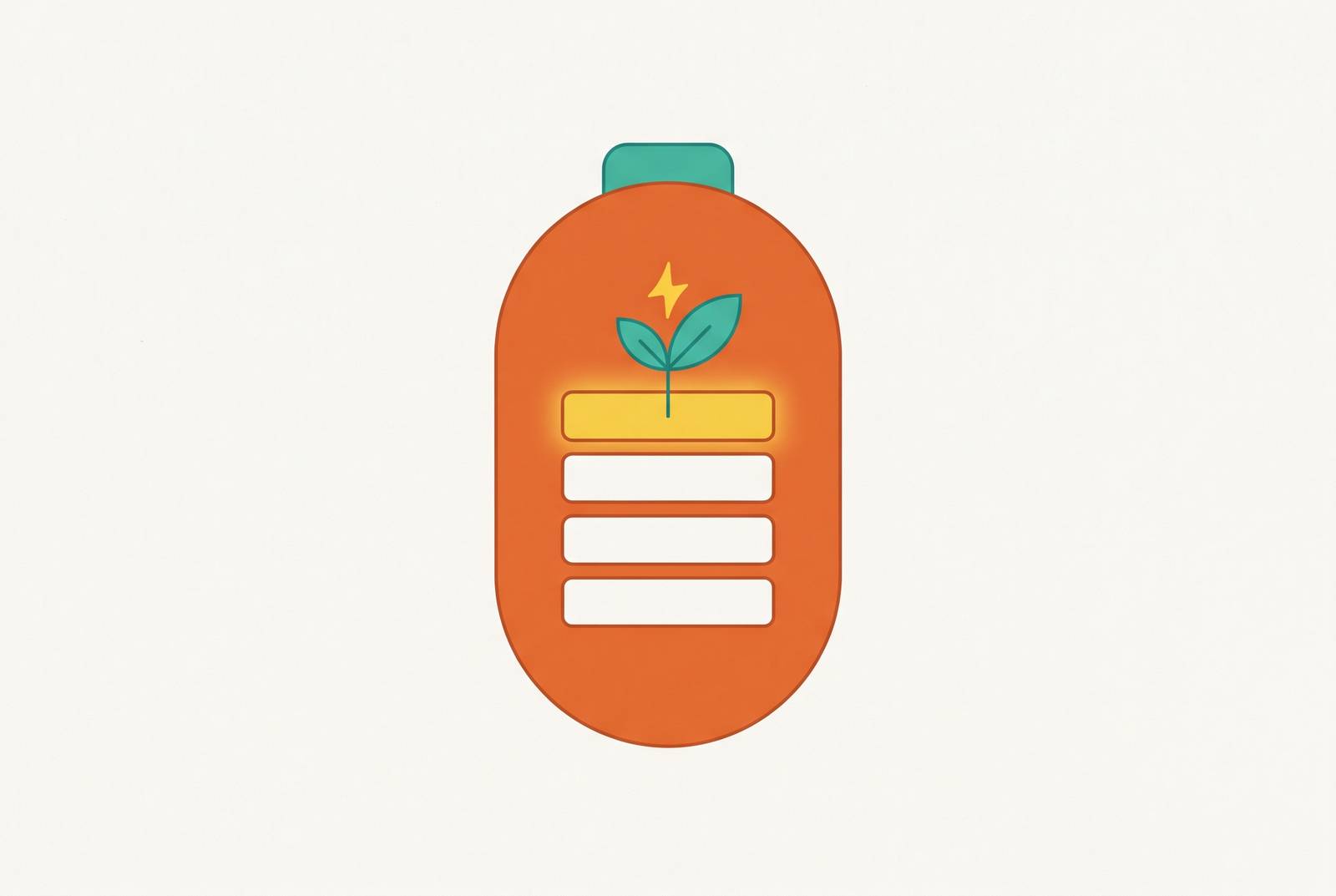
On low-dopamine ADHD days, the goal of a habit is not maximum productivity but preserving the cue-routine-reward loop through a small, pre-decided action. “Minimum Viable Habits for Low-Dopamine ADHD Days” explains why that approach fits variable executive function. For app support, the useful match is between a specific barrier and a specific feature, including immediate rewards, external accountability, or low-friction capture.
Why low-dopamine days are a structural feature of ADHD, not a motivation failure
On a bad ADHD morning, choosing clothes or beginning a familiar task can feel unexpectedly difficult. A routine that felt manageable yesterday may suddenly seem out of reach. That change need not mean that commitment has disappeared. ADHD involves differences in dopamine signaling and the regulation of arousal, both of which help explain why familiar abilities can be harder to use on some days.
The familiar “dopamine deficit” explanation is too simple. Supply is only part of the signaling picture. Receptor differences associated with ADHD can affect how well the brain registers dopamine that is present, making signal strength a more useful frame than an empty reservoir. The FASEB Journal’s 2025 review places dopamine pathway differences within a broader account of neurochemical dysregulation.
Why, then, does performance change from day to day? State regulation theory points to difficulty regulating brain arousal, which can affect cognitive function independently of sleep or stress. Circadian rhythm differences also affect a large majority of adults with ADHD, giving some fluctuations a biological schedule. “Low-dopamine day” is therefore useful shorthand. Capacity varies within a system that already requires more support.
What executive dysfunction actually shuts down on those days
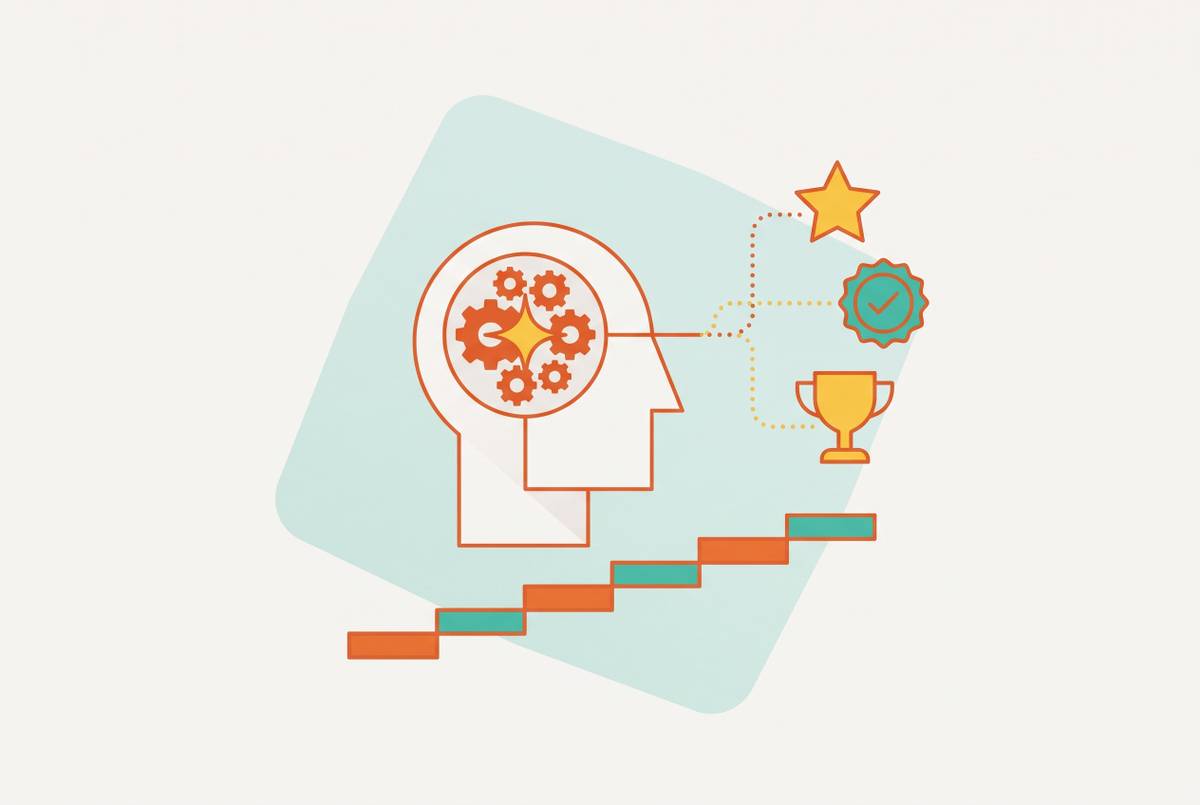
That variability becomes visible through executive function, the abilities involved in planning, sustained attention, reasoning, and goal-directed behavior. Russell Barkley’s model places behavioral inhibition at the foundation of four dependent domains. These are working memory, internalized speech, regulation of emotion and motivation, and reconstitution, which includes planning and generating possible actions. These functions help turn an intention into action. Under strain, knowing what needs doing may no longer be enough to get started.
Working memory holds the next step in mind while the current one happens. Internalized speech supplies the self-directed guidance that helps maintain a sequence, while emotion and motivation regulation help sustain effort. Planning makes it possible to organize the sequence in the first place. When those supports falter, even a small choice can stall. A 2025 European Psychiatry study found that a large majority of participants with ADHD reported frequent decision-making difficulties, with most reporting a significant effect on work performance.
Research in Frontiers in Psychiatry links internalized stigma with more functional impairment, lower self-esteem, and poorer quality of life. Interpreting difficulty as being “lazy” or “incapable” can compound the original problem with shame. That leaves the next attempt burdened by both the task and its meaning. A bad-day strategy must therefore minimize demands on choosing, remembering, sequencing, and self-directed motivation, rather than asking those strained functions to work harder.
Why preserving the habit loop matters more than completing the habit
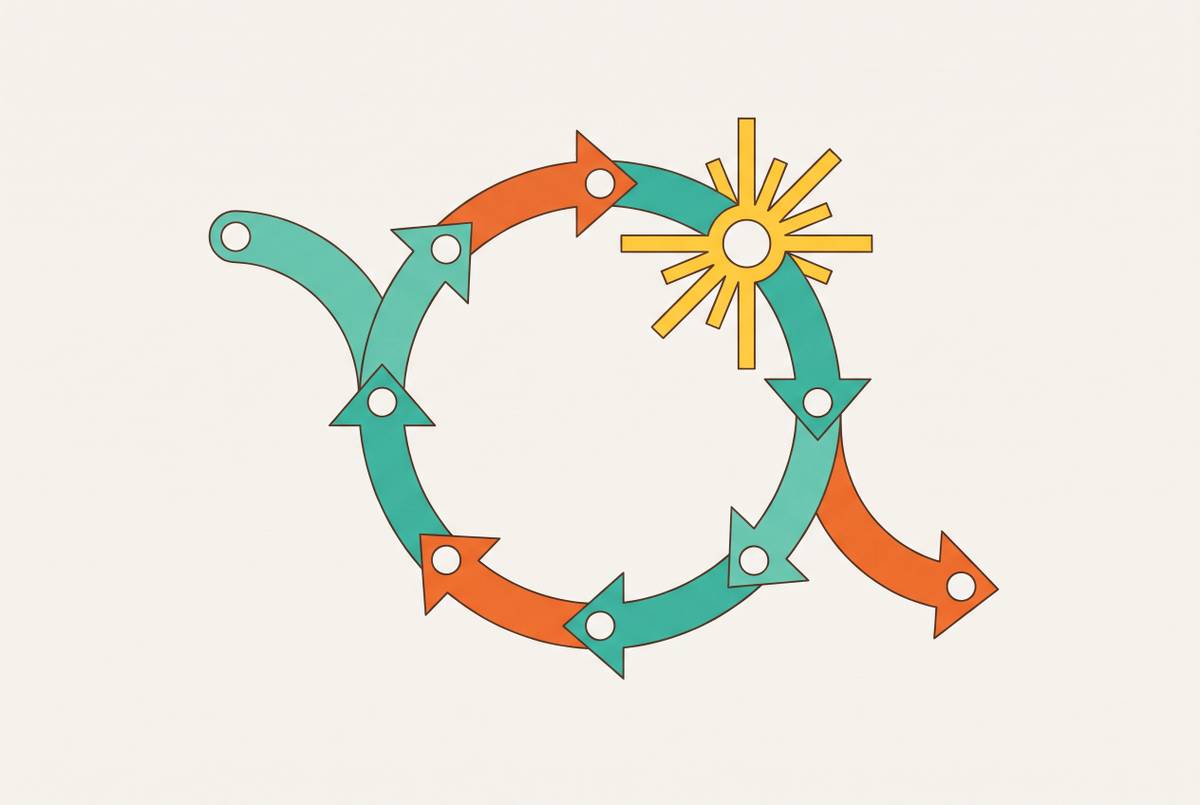
The usual standard for a routine is completion of its whole sequence. But that standard assumes enough capacity to execute it. When executive function is reduced, the cue-routine-reward loop offers a smaller unit to work with. A familiar cue prompts an action, and a reward helps make that link stronger. Repetition supports automaticity, which reduces how much deliberate control initiation requires.
This changes what a small action is for. Two to three anchor steps can preserve a response to the familiar cue even when the longer routine is unavailable. A minimum version has fewer benefits than the full version, and the habit-loop argument allows for that.
Is that simply permission to do less? Yes in volume, but not in commitment. State regulation provides a reason to distinguish reduced capacity from reduced concern, while the stigma research explains the risk of confusing them. Demanding full performance when the system can do less can lead to failure and shame without building discipline. A pre-decided minimum changes the demand while retaining the commitment to respond.
A missed day should not be treated as proof that the pathway has vanished. Such an interpretation would reproduce the all-or-nothing standard this approach is meant to replace. The useful distinction is between preserving opportunities for repetition and measuring the size of each performance. On a difficult day, the minimum viable habit is the “real” habit assigned for that day.
The night-before architecture that makes minimum viable habits possible
The practical implication is to make decisions before the difficult morning arrives. A “Launch Pad” is a designated place for the objects needed the next day, including keys, a bag, medication, a phone charger, and pre-selected clothes. Its purpose is concrete and limited. It reduces the searching and choosing that would otherwise compete with getting started. The environment holds part of the plan so that working memory does not have to hold all of it.
Pre-selecting clothes and a breakfast option the night before removes two common morning decision points, moving avoidable executive work out of a period when that work may be unusually hard. The objects need to be available, and the choices need to be settled. A plan that still requires deciding what to wear or eat has left those demands in place.
Implementation intentions apply the same idea to when things happen. An if-then plan can pair 7:00 with drinking a glass of water before anything else. The cue and response are chosen together in advance. Research on if-then planning supports using these pre-formed links to improve task initiation in ADHD by reducing reliance on effortful executive control. The plan does not require a fresh argument about whether water is worth drinking when 7:00 arrives.
The three-tier routine — what to actually do on a bad day versus a good one
A three-tier routine sets different tasks for days when more or less feels possible. All three versions are decided in advance, including what counts as finishing each one. Otherwise, designing the accommodation becomes another morning decision. The distinction is between a full sequence, a minimum sequence, and a route back after an interruption.
Tier one is the full routine. It contains the desired habits in sequence and belongs on good-energy days. This is the aspirational version. Its existence gives the routine room to expand when capacity is available.
Tier two is the minimum viable routine. It contains only two to three anchor tasks selected for a very difficult morning. Examples include a glass of water, five minutes of movement, and a protein-based breakfast item. Movement might mean stretching, jumping jacks, or dancing to one song. The plan permits stopping at that point.
The breakfast choice has a physiological rationale as well as a practical one. Protein supplies amino acids needed to synthesize neurotransmitters, including dopamine, while a sugar-heavy breakfast can contribute to a blood-sugar spike and crash that worsens inattention and irritability. That is not a moral distinction between foods. Nor does eating protein guarantee better dopamine signaling. It is one support within a routine designed to reduce avoidable difficulties.
Tier three is the restart signal. A single task or five-minute ritual provides a return point after the sequence has already been missed. The therapy-derived “5-Minute Rule” fits this purpose by limiting the initial commitment to five minutes of a dreaded task. Stopping afterward is permitted, although beginning can make continuation easier. The restart is successful because it happened.
Why gamification is a neurologically coherent support for the minimum viable approach
A small routine still needs a reward that registers. Dopamine signaling differences make immediate feedback a coherent support for ADHD, particularly when the task itself offers little stimulation. Video gaming has been shown to increase brain dopamine levels, and functional difficulties in children with ADHD may improve during play. That gives a reason to try gamified habit apps, but it does not prove that every one works. A feature should make the chosen action easier to start or repeat.
Habitica matches the problem of unrewarding task completion. Users make a pixel-art character and earn experience and gold when they finish tasks, while missing scheduled Dailies costs health. The feedback makes completion visible and immediately consequential. Its penalty mechanism also deserves consideration in a minimum viable routine. A system intended to protect continuity should not turn an appropriately reduced day into another experience of failure.
Forest addresses a different barrier, sustaining focus during a work session. A virtual tree grows while the session continues, and leaving the app early kills it. Focusmate instead has live video sessions with another person, where both briefly state their goals, work silently on camera, and check in at the end. Its support is social accountability rather than a game reward, with someone waiting to begin.
These tools therefore solve different parts of the problem. None of those features alone establishes a universally best ADHD routine app. The practical recommendation is to commit to two weeks before evaluating a tool, because novelty can fade quickly. The test on day fourteen is whether it still addresses the original barrier.
What habit tracking apps actually work for ADHD brains? Voice-first and low-friction tools remove the last barrier
Even a well-matched reward system can fail at the point of entry. Opening an app, finding the right screen, and typing a record all demand some of the executive function the tool is meant to support. Recording becomes a second task before the first can feel complete. On a depleted day, that extra sequence may be enough to lose the intention. Low-friction design is therefore an accessibility requirement.
Voice-first interaction addresses that specific gap in the sequence. Speaking a goal, check-in, or plan when it arises can remove the need to type and navigate through screens. Its benefit depends on how directly the tool permits capture. A voice feature hidden behind several steps would not solve the same problem. The useful criterion is the distance between having an intention and recording it.
What, then, would make an app suitable for this approach? It would support the pre-decided minimum without making logging more demanding than the habit, and its feedback would fit the barrier being addressed. Immediate rewards answer one problem, accountability another, and voice capture another. The named tools illustrate the first two kinds of support, but the supplied evidence does not establish a voice-first winner. Feature fit is a firmer basis for comparison than a blanket claim that an app is “for ADHD.”
What a low-dopamine day actually asks of you — and what it does not
A difficult day asks for an assignment that fits the capacity available. It does not ask for proof that the previous good day was genuine, or that enough effort can erase every fluctuation. The pre-decided minimum sets a limit on what the day asks for. Completing it means meeting that day’s commitment, even when the result looks small beside the full routine.
If the sequence has already been missed, the standard changes to returning without making the interruption a character verdict. The restart signal allows for interruptions. The stigma research gives a concrete reason to avoid treating difficulty as evidence of laziness, because that interpretation can deepen the impairment it claims to explain.
Reduced capacity warrants a reduced demand, while repetition remains worth protecting. A small completion need not demonstrate what could have happened on a better day. It needs only to fulfill the version chosen for this one. That is enough without an apology, an extra task, or a promise to compensate tomorrow.